Why Some Marine Spare Parts Are Considered “Critical”
Not all marine spare parts carry the same level of risk. Some components, even small and inexpensive ones, play a decisive role in vessel safety and operational continuity. These are commonly referred to as critical spare parts.
A critical spare part is not defined by its price or size, but by the consequence of its failure. When such a component fails, it often triggers:
-
immediate loss of propulsion or steering
-
cascading damage to adjacent equipment
-
vessel downtime in unsafe or inconvenient locations
-
failed inspections or emergency repairs
In many real-world cases, vessel incidents are not caused by major machinery breakdowns, but by delayed replacement of minor components that were already showing signs of wear.
Propulsion System Spare Parts with High Failure Impact
Propulsion systems contain several spare parts that are frequently underestimated during routine maintenance planning.
Bearings and Bushings
Bearings within propulsion and shafting systems operate under continuous load, vibration, and alignment sensitivity. Progressive wear often goes unnoticed until:
Delayed bearing replacement can result in shaft damage or gearbox misalignment, significantly increasing repair cost and downtime.
Flexible Couplings
Flexible couplings are designed to absorb misalignment and torsional vibration. When they degrade, stress is transferred directly to gearboxes and shafts. Coupling failure often occurs suddenly, leaving little warning before propulsion loss.
Seals and Packing Components
Shaft seals and stern tube sealing elements are classic examples of low-cost parts with high failure impact. Leakage may initially appear manageable but can escalate quickly, leading to contamination, bearing failure, or even flooding risks.
Steering and Control System Components
Steering system failures are among the most critical from a safety perspective. Several spare parts deserve special attention.
Hydraulic Seals and Hoses
Hydraulic seals and hoses are exposed to pressure, temperature variation, and aging. Small leaks often precede major failures but are sometimes tolerated during operation.
Once a seal fails completely, steering response may be lost or severely degraded, especially during maneuvering.
Control Valves and Actuators
Valves and actuators rely on tight tolerances. Internal wear may not be externally visible, but can cause delayed response, uneven rudder movement, or erratic behavior under load.
Replacing these components proactively is far less costly than dealing with emergency steering loss.
Seals, Bearings, and Wear Parts Often Overlooked
Across multiple systems, wear parts are frequently postponed because they are:
Common examples include:
-
O-rings and gaskets
-
sliding bearings
-
wear sleeves
-
friction pads
The risk lies in cumulative degradation. When multiple wear parts reach end-of-life simultaneously, system failure becomes more likely. Moreover, secondary damage often extends beyond the original component.
Experienced maintenance teams treat wear parts as predictable failure points, not optional replacements.
Electrical and Sensor-Related Spare Parts
Modern vessels rely heavily on sensors and electrical components to monitor and control systems. Failures in these areas often lead to misdiagnosis rather than immediate alarms.
Sensors and Transmitters
Pressure, temperature, and speed sensors degrade over time. Incorrect readings may cause:
Electrical Connectors and Relays
Corrosion, vibration, and thermal cycling affect electrical connections. Intermittent faults are particularly dangerous, as they may only appear under specific operating conditions.
Replacing aging electrical components reduces troubleshooting time and improves system reliability.
The True Cost of Delayed Replacement
Delaying spare part replacement is often justified by short-term cost savings. However, operational data consistently shows that delayed replacement leads to higher total cost due to:
In many documented cases, the cost of a single delayed replacement exceeds the annual spare parts budget for the entire system.
The real cost is not the spare part itself—it is the loss of control over when and where failure occurs.
Preventive Replacement Strategy for Shipowners
A structured preventive replacement strategy focuses on risk management, not component exhaustion.
Key principles include:
-
identifying critical spare parts by system impact
-
tracking operating hours and condition indicators
-
replacing parts during planned maintenance windows
-
standardizing replacement intervals across fleet types
Preventive replacement allows shipowners to control cost, scheduling, and operational risk rather than reacting to failures.
Key Takeaways for Technical and Procurement Teams
-
Small spare parts can have disproportionate failure impact
-
Delayed replacement increases both risk and total cost
-
Preventive strategies outperform reactive maintenance
-
Technical evaluation should guide procurement decisions
Critical spare parts management is not about replacing everything early—it is about replacing the right components at the right time.
Understanding which marine spare parts are truly critical allows shipowners and shipyards to prevent failures before they occur. Lessons learned from real vessel operations consistently show that proactive replacement is one of the most effective ways to improve reliability and safety.



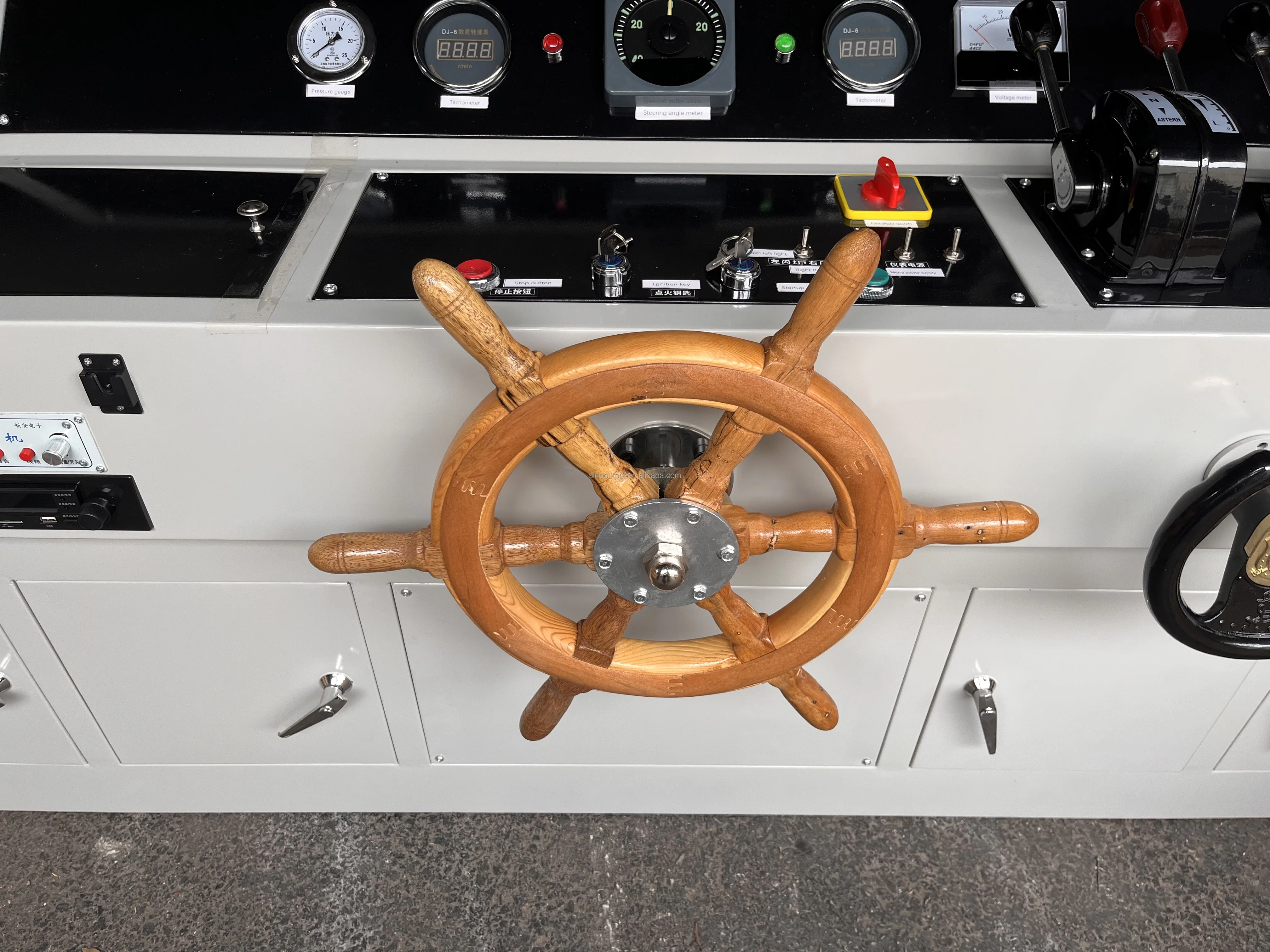 30kN Hydraulic Steering System for Double Engine Boats Sinooutput High Quality & Fast Delivery