
Electric winches look simple from a distance: a motor, a gearbox, a drum, a brake, and a control station. In real shipboard service, however, the difference between a suitable winch and a troublesome one is rarely decided by rated pull alone. The correct specification must reflect how the vessel works, how often the winch operates, what loads it handles, where it is installed, and how easily the crew can inspect and maintain it. For shipyards, vessel operators, and marine procurement teams, a careful technical check before ordering is the most reliable way to reduce installation rework, avoid performance complaints, and keep lifecycle cost under control.
This article outlines five practical checks before ordering electric winches for working vessels, harbor craft, fishing vessels, cargo vessels, and other marine applications. The points are written for buyers who need a clear discussion with designers, equipment makers, and class or flag representatives before production begins.
The first check is to define the winch application in operational language, not only in catalog terms. A mooring winch, towing winch, anchor handling winch, utility winch, ramp winch, and small deck handling winch can all be electrically driven, but their load patterns are very different. A mooring winch may need controlled line tension and frequent low-speed adjustment during port operations. A towing or workboat winch may face dynamic loading, shock effects, and longer periods under sustained pull. A utility winch may be used intermittently, but it still needs enough reserve capacity for the heaviest realistic lift or pull.
The safe starting point is to identify the required rated line pull, holding load, brake holding capacity, drum capacity, rope diameter, nominal rope speed, and expected operating frequency. Buyers should also ask whether the pull rating is given at the first layer or at an average drum layer. Line pull normally decreases as the rope builds up on the drum because the effective drum radius increases. If this is ignored, a winch that appears adequate on paper may deliver less usable pull when the drum is nearly full. The same logic applies to rope speed, motor power, and brake selection.
Duty cycle deserves special attention. Electric motors and gearboxes must be selected around expected run time, starting frequency, ambient temperature, enclosure ventilation, and thermal loading. A winch used for short positioning movements may be suitable with one motor rating, while a winch expected to work repeatedly during cargo, fishery, or offshore support operations may require a more conservative motor, gearbox service factor, or thermal protection arrangement. Clarifying whether the duty is intermittent, frequent, or heavy service helps prevent overheating, nuisance trips, and premature wear.
An electric winch depends on the vessel electrical system as much as it depends on mechanical strength. Before ordering, confirm the available voltage, phase, frequency, short-circuit capacity, starting method, protection philosophy, and cable route. Common marine supplies may include three-phase AC systems, but the details vary by vessel and region. A mismatch in voltage or frequency can delay commissioning, and an underestimated starting current can affect generators, switchboards, and other consumers.
The starting and speed control method should be selected according to the application. Direct-on-line starting may be simple and economical for smaller winches, but it can create high inrush current and more abrupt torque. Star-delta starting can reduce starting current in some cases, but it may not provide the best low-speed control. Variable frequency drive control can offer smoother acceleration, better speed adjustment, and improved handling during delicate operations, but it also requires suitable enclosure design, EMC considerations, braking resistor or regenerative strategy where relevant, and clear integration with the shipboard power system.
Control stations should match how the crew actually uses the equipment. Local push-button control may be enough for a compact utility winch. A mooring winch may need a deck control pedestal, emergency stop, clear direction indication, load or tension indication, and interlocks. Remote control can improve visibility and operator safety, but it should be designed with fail-safe behavior, protection against accidental operation, and a practical emergency stop arrangement. For exposed decks, operators need controls that remain usable with gloves, spray, vibration, and poor weather.
Buyers should also verify motor enclosure protection, insulation class, space heater requirements, cable gland type, terminal box orientation, and anti-condensation measures. Marine electric equipment often works in a damp, salty atmosphere, and water ingress or condensation can shorten service life quickly. Small decisions at the ordering stage, such as the terminal box position or gland entry direction, can make installation much easier for the shipyard.
A technically suitable winch still needs to fit the vessel. The foundation, mounting bolt pattern, deck strength, allowable footprint, total height, maintenance clearance, rope lead angle, fairlead position, and access for lifting equipment should be reviewed before production. A common procurement mistake is confirming the rated pull but leaving foundation and layout details until late. By that point, the deck structure may already be fixed, and any change becomes expensive.
The drum arrangement should be checked against rope type, rope diameter, required working length, and storage length. Steel wire rope and synthetic rope have different bending, crushing, and handling characteristics. A drum that stores the required rope length but gives poor spooling can damage the rope or create uneven layers. Fleet angle, drum flange height, groove design, level wind requirements, and fairlead alignment should be reviewed together. If the rope must operate over sheaves or fairleads, their diameter and surface condition also affect rope life.
Brake and clutch arrangements need clear definition. For some duties, a spring-applied, electrically released fail-safe brake is preferred so the winch holds when power is lost. Other arrangements may include manual band brakes, pawls, dog clutches, or declutching systems depending on the vessel and application. The buyer should confirm which brake holds the load, how it is released, how it is tested, and what manual backup is available if electrical power is unavailable.
Material and corrosion protection also belong in the interface review. A winch installed on an open weather deck should have suitable coating specification, surface preparation, fastener material, drainage details, and protection for exposed shafts or gear elements. A winch in a machinery space may have less spray exposure but still faces vibration, heat, oil mist, and maintenance access constraints. Paint color, nameplate language, lubrication point location, and lifting lugs may sound minor, yet they influence commissioning, inspection, and daily use.
Marine equipment procurement should not treat documentation as an afterthought. Before ordering an electric winch, confirm whether the vessel class, flag administration, owner specification, or shipyard quality plan requires drawings, certificates, material records, test reports, inspection attendance, or approval before shipment. Requirements differ by winch type and vessel service. A small non-critical utility winch may need a simpler document package, while a mooring, towing, lifting, or mission-critical winch may require more formal review.
Typical documents may include a general arrangement drawing, foundation drawing, electrical schematic, control circuit diagram, motor data, gearbox data, brake calculation or brake data sheet, load test procedure, factory acceptance test record, operation manual, maintenance manual, spare parts list, and packing list. If class involvement is required, the approval route and inspection hold points should be discussed before manufacturing. Late discovery of a missing drawing or certificate can delay delivery even when the physical equipment is ready.
Safety features should be specified clearly. Depending on application, these may include overload protection, emergency stop, limit switch, thermal overload protection, phase protection, brake monitoring, drum guard, rotating part guard, manual release warning, and clear labeling. For towing or mooring applications, buyers should also consider snap-back zones, operator position, visibility, and emergency release philosophy. The winch is only one part of a broader deck operation, so safe use depends on layout, crew training, rope condition, and operating procedures as well as equipment design.
Language and document consistency matter for international shipbuilding projects. Nameplate data, manuals, electrical drawings, spare parts lists, and inspection records should use consistent terminology. Rated pull, brake holding force, rope speed, motor power, drum capacity, and test load should be stated in compatible units. This reduces confusion during installation, class review, and future spare parts ordering.
The lowest purchase price is not always the lowest project cost. Electric winches operate in demanding conditions, and their real value depends on reliability, spare parts availability, maintainability, documentation quality, and technical support. A well-selected winch should be easy to inspect, lubricate, adjust, and repair without removing unnecessary surrounding equipment. Grease points, oil drain and fill positions, brake adjustment access, motor removal space, and control cabinet access should all be considered before the order is released.
Spare parts planning should include brake linings or pads, contactors, sensors, seals, bearings, control components, limit switches, pendant controls, and vulnerable electrical parts. The best list depends on the duty and vessel trading pattern. A harbor vessel with local service access may carry fewer parts than a vessel operating far from support. For fleet operators, standardizing motors, controls, rope sizes, brake components, and documentation formats can simplify training and reduce inventory complexity.
Supplier capability should be assessed through technical responsiveness, drawing quality, ability to clarify interfaces, experience with marine packaging, and support for inspection documentation. Buyers do not need exaggerated claims; they need accurate answers, realistic lead times, and clear communication when a requirement affects cost, delivery, or design. A supplier who identifies an interface conflict early can save more value than one who simply quotes the shortest line item price.
Before placing an order, prepare a concise technical sheet covering vessel type, winch application, rated line pull, brake holding requirement, rope diameter and length, rope speed, drum arrangement, available power supply, control location, installation drawing, environmental exposure, coating requirement, class or inspection requirement, document language, delivery schedule, and required spare parts. If any item is unknown, mark it as open and discuss it before production. Open technical questions are much easier to solve at the quotation stage than after the winch reaches the shipyard.
For replacement projects, add photographs of the existing winch, foundation dimensions, electrical cabinet details, cable route, rope path, and any damage or operational problems. For newbuild projects, provide the deck arrangement drawing and expected operating profile. In both cases, confirm whether the winch must match existing fleet standards or owner preferences.
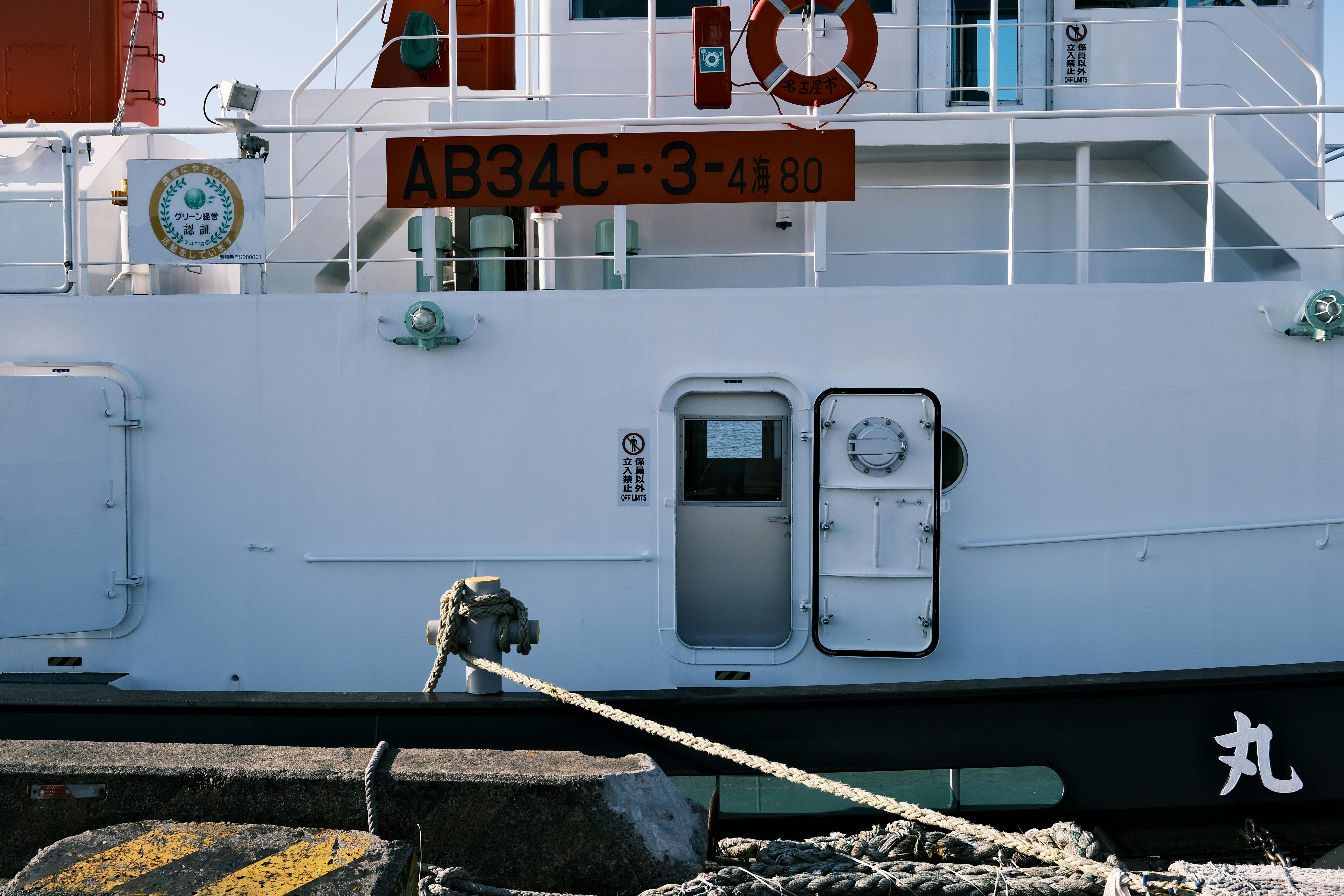
Ordering an electric winch is a multidisciplinary decision involving deck operations, electrical integration, mechanical installation, safety, documentation, and maintenance planning. The five checks are straightforward: define the real duty, confirm the electrical and control system, verify mechanical interfaces, review class and safety documentation, and compare lifecycle value rather than price alone. When these points are clarified early, the winch is more likely to fit the vessel, pass inspection smoothly, perform reliably, and remain serviceable throughout its working life.
SINOOUTPUT Marine Solutions supports shipyards and vessel operators with technical clarification, product matching, documentation coordination, and organized marine equipment supply. For an electric winch inquiry, share the vessel type, intended application, rated load, rope details, power supply, installation space, and any class or document requirements so the configuration can be reviewed on a practical engineering basis.
#Shipbuilding #MarineEngineering #MarineEquipment #Shipyard #MarineSolutions #MarineIndustry #SINOOUTPUT