How to choose a bow thruster for your boat?
By Ruby
January 16th, 2025
2096 views
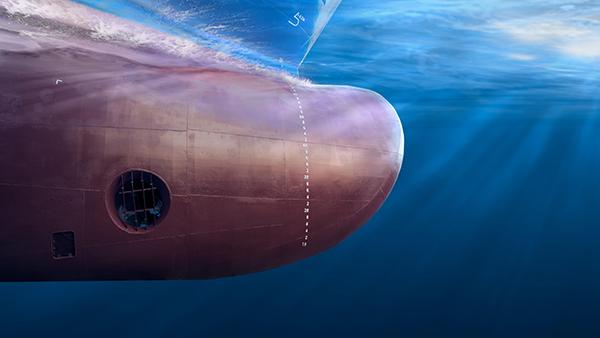
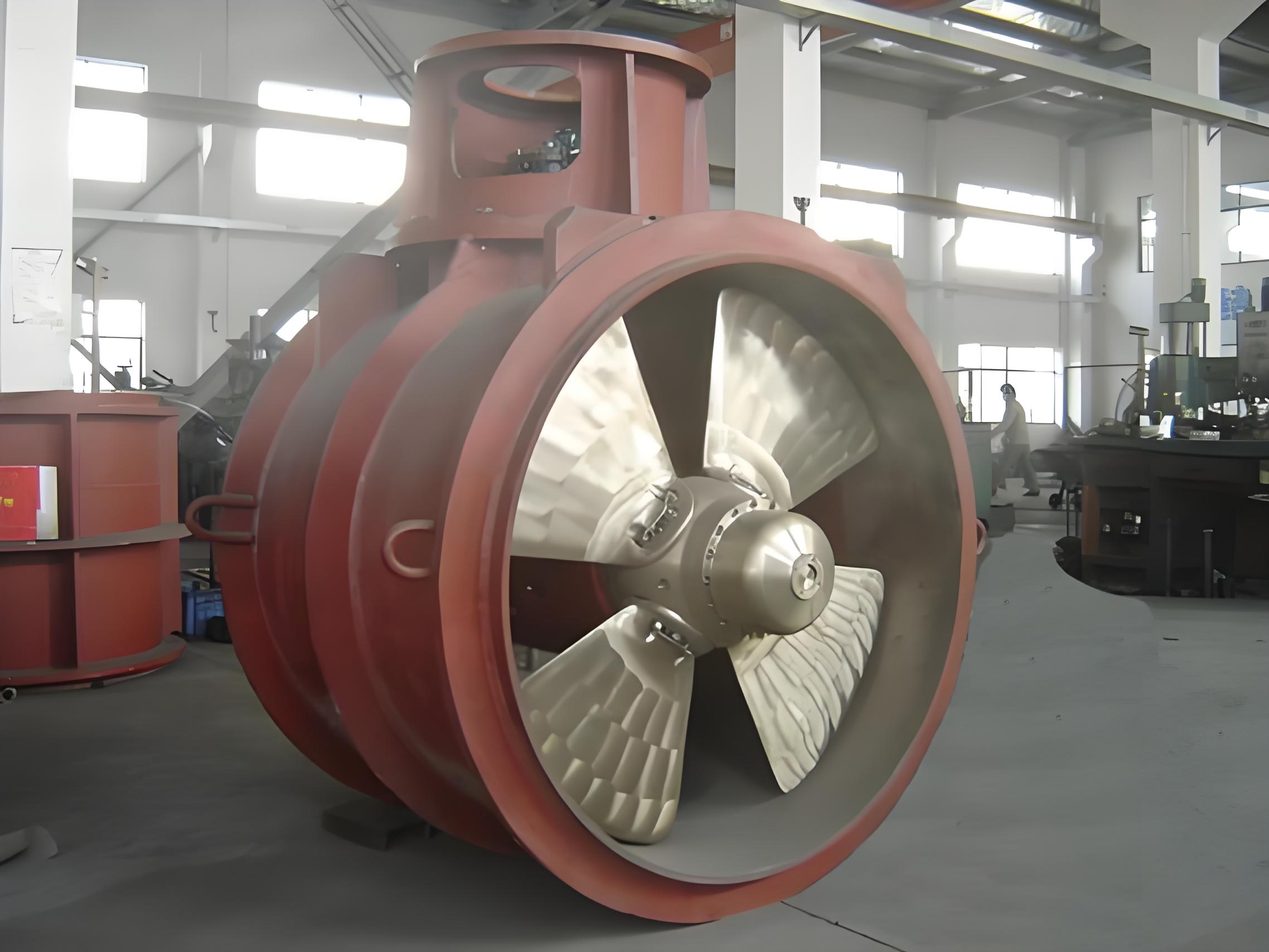
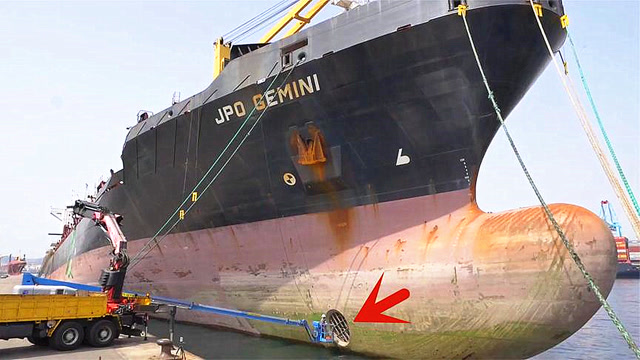
If you are trying to select the right bow thruster for your boat, you may have noticed that there is a big difference in bow thruster style and size. Their installation location is usually located in the installation pipe that runs through the hull; sometimes they are also installed outside the hull, and the cabin can be retracted when the equipment is not in use. After reading this introduction, you will have an understanding of the factors that need to be paid attention to when selecting a bow thruster.
Several common considerations when choosing bow thrusters
1. Strength of wind and current : The stronger the wind and current movement in the working environment of the ship, the greater the power required for side thrust;
2. Hull shape: The higher and longer the superstructure of the ship is, the greater the thrust required for bow thrust to resist crosswinds;
3. Bow shape and internal space: The deeper the bow is into the water and the larger the internal space at the front of the hull, the more suitable it is for installing a side thrust system;
4. Power supply: Usually, small ships use DC power supply (DC power supply generally uses lead-acid batteries as power supply) for bow thrust, while large ships use AC power supply or hydraulic bow thrust system . Of course this is just "usually" and not a clear standardized guideline. For example, a 60-foot (18m) ship may be equipped with a DC bow thruster, or it may be equipped with an AC or hydraulic bow thruster;
Three key factors to consider when choosing bow thrusters
1. Sailing environment and work objectives
First of all, we must consider the conditions under which the bow thruster operates. Is the ship's working area a relatively calm port area, or a water environment with "undercurrents"? In particular, what is the average wind speed in this work area? Or whether the ship often needs to move in strong currents, for example, while waiting for the drawbridge to open or other relatively stationary operations; most importantly, where the ship usually docks, such as: main berth, fuel supply dock and staff often dock Lunch spots etc.
For example: There are two ships (Ship No. 1 and Ship No. 2) that are about 12 meters long and have basically the same ship type and configuration. The shipowner plans that if the wind speed exceeds 10 knots, Ship No. 1 will only operate at the dock and is not allowed to leave the dock. At this time, The vessel's maneuverability for working around docks needs to be improved. In this case, the shipowner can only install a smaller power bow thruster with on/off control to save costs while achieving the desired effect.
As the No. 2 ship needs to go out to sea at a speed of 30 knots, she needs to be equipped with a more powerful bow thruster. Shipowners are more likely to choose a larger power proportional valve speed-regulated side thrust system.
The thrust installation ducts on both of the above mentioned vessels are probably the same size. For ship No. 1, the shipowner can install 3300W (65kg thrust) side thruster. For the No. 2 ship, it is recommended to use a higher power side thruster model under the same (inner diameter) installation pipe size, such as 4300W (about 85kg thrust) or even 6300W (105kg thrust) side thruster. However, for side thrusters with larger power, it is recommended to use a proportional valve to control the speed to ensure smooth operation.
2. Ship type
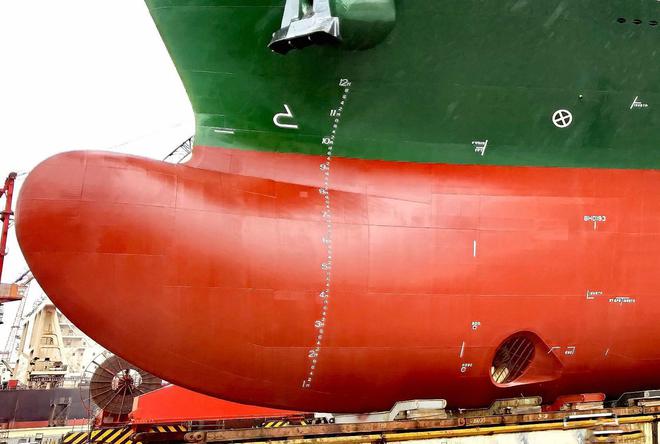
What is the shape of the hull? The silhouette of the ship is actually seen from the side. As the name suggests, bow thrust is the application of thrust from one side of the ship to the other. Therefore, when selecting a model, it is necessary to measure the wind resistance endured by the side profile of the vessel. You don’t have to solve the problem of wind resistance calculation by yourself. As long as you provide the ship type data, the relevant designers and professional thrust suppliers will work together to complete the work.
If the vessel itself is already equipped with a bow thruster, but it cannot provide sufficient thrust, and there is no space to expand the installation duct, you can choose to install a thruster model of the same size but with dual 4-blade or 5-blade propellers to increase thrust. Of course, when adding a side thruster function to a ship without a side thruster , it is necessary to install a side thruster pipe of appropriate diameter and select a side thruster with excellent performance.
For boats with shallow, narrow bows (such as sailboats), layout space will be even more critical. The installation pipe of the side thruster may need to be arranged slightly further aft to ensure the installation length; if the installation pipe is too short, cavitation will occur before the water reaches the side thrust impeller, resulting in a reduction in side thrust efficiency. Therefore, it is necessary to Give this issue a comprehensive and professional consideration. Another limiting factor is the resistance caused by turbulent flow at both ends of the pipe. During installation, the pipe can be chamfered to improve the flow pattern and reduce resistance.
In addition to the above 3 points, what needs to be reminded is:
1. Budget related: Only choosing a side thrust system with on/off control is more cost-effective than choosing a side thrust system with proportional valve speed regulation;
2. The pipe installation of the bow thruster is an important part of the entire bow thruster installation in terms of cost and engineering volume. Therefore, in projects to upgrade the bow thruster, it is usually recommended to use the original pipelines.
Previous
IACS publishes uniform requirements for composite materials in propeller shaft bearings
Read More
Next
Ship propeller shaft-design and construction
Read More