Choosing the right steering system is critical for vessel safety, handling, and long-term maintenance. Modern ships can be equipped with either hydraulic or electric steering systems, and understanding the differences helps shipowners and shipyards make informed decisions.
Whether you operate a cargo ship, tugboat, offshore vessel, or luxury yacht, knowing the pros and cons of each system ensures smoother navigation and reduces costly downtime.
Hydraulic and electric steering systems are the two main technologies used to control a vessel’s rudder. Each has advantages and limitations in terms of responsiveness, power requirements, installation, and maintenance. Selecting the right system depends on vessel size, operational profile, and reliability requirements.
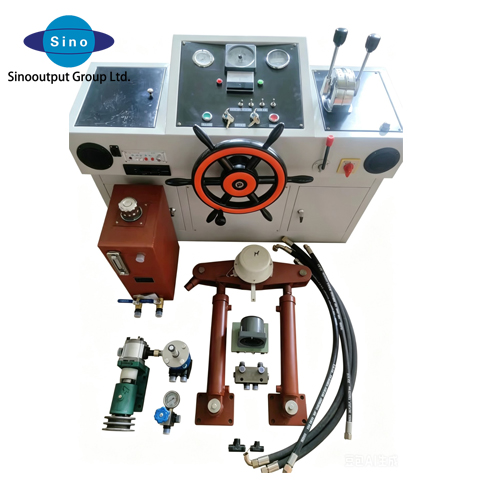
Hydraulic steering uses pressurized fluid to move the rudder. The key components include:
Hydraulic Pump: Driven by an engine or electric motor
Hydraulic Cylinder: Converts fluid pressure into mechanical motion for rudder movement
Control Valves & Reservoir: Direct flow and maintain system pressure
Piping and Hoses: Transfer pressurized oil between components
Operating Principle:
The pump pressurizes hydraulic oil.
Oil flows to the rudder cylinder through control valves.
The cylinder moves the rudder according to helm input.
Oil returns to the reservoir to complete the cycle.
Applications: Large cargo vessels, tankers, tugboats, ferries, and offshore vessels.
Electric steering relies on electric motors to move the rudder. Components include:
Electric Motor: Directly drives the rudder or via a gearbox
Control Unit: Receives helm commands and controls motor movement
Feedback Sensors: Ensure precise rudder positioning
Power Supply: Typically ship’s main or backup electrical system
Operating Principle:
Helm input is converted into an electrical signal.
Motor receives signal and rotates the rudder accordingly.
Sensors provide feedback to maintain accurate rudder angle.
Applications: Small to medium-sized vessels, yachts, workboats, and some retrofitted ships.
| Feature | Hydraulic Steering | Electric Steering |
|---|---|---|
| Power Source | Engine-driven pump or auxiliary motor | Ship’s electrical system |
| Force Output | High torque; suitable for large rudders | Moderate torque; best for small/medium rudders |
| Responsiveness | Smooth, consistent under heavy loads | Instant response; may vary under heavy load |
| Installation | Requires piping, valves, and oil reservoir | Compact; easier retrofit and installation |
| Maintenance | Regular fluid checks, filter changes, leak inspections | Motor and electrical maintenance; less messy |
| Reliability | Proven under extreme sea conditions | Dependent on electrical redundancy |
| Cost | Higher upfront and maintenance cost | Lower installation cost; less maintenance cost |
Pros:
High torque for large vessels
Smooth operation under heavy loads
Proven reliability in offshore and commercial applications
Cons:
Complex installation with hoses and valves
Requires regular oil monitoring and maintenance
Risk of leaks
Pros:
Compact and lightweight
Easier to install and retrofit
Lower maintenance (no oil)
Instant response and precise control
Cons:
Limited torque for very large rudders
Dependent on electrical redundancy
May require backup systems in critical applications
Consider Vessel Size: Large vessels almost always require hydraulic steering due to high rudder forces.
Evaluate Operational Conditions: Rough seas or heavy cargo vessels benefit from hydraulic reliability.
Plan for Maintenance: Electric steering reduces messy hydraulic maintenance, but redundancy is critical.
Hybrid Options: Some vessels use electric steering for normal operation and hydraulic backup for emergencies.
Consult Classification Rules: Check with IACS or local regulations for approved systems.
At SINOOUTPUT, we provide complete marine steering solutions for all vessel types:
Hydraulic steering systems for tugboats, cargo ships, and ferries
Electric steering systems for yachts, workboats, and retrofit projects
Backup systems, control units, and spares
Expert guidance for installation, maintenance, and compliance
By combining technical support, global supply chain solutions, and engineering expertise, we help shipowners and shipyards select and maintain the right steering system for their vessels.
Q1: Can electric steering replace hydraulic on large vessels?
A: Generally not. Large rudders require high torque, which hydraulic systems provide more efficiently.
Q2: How often should hydraulic steering oil be changed?
A: Follow the manufacturer’s recommendations and perform periodic oil analysis to detect contamination.
Q3: Are hybrid steering systems common?
A: Yes, many modern vessels use electric primary steering with hydraulic backup for redundancy.
Q4: What maintenance is required for electric steering?
A: Inspect motors, sensors, wiring, and control units. Ensure backup power is available.