Choosing the wrong marine propeller can reduce vessel speed, increase fuel consumption, overload the engine, and even damage the propulsion system.
The right propeller helps your vessel achieve better efficiency, smoother navigation, and lower operating costs. But with so many propeller types available, many shipowners and boat builders are unsure which design is best for their project.
In this guide, we explain the most common propeller types, how they work, their advantages and disadvantages, and how to select the correct propeller for your vessel.
A marine propeller is the rotating component that converts engine power into thrust, pushing the vessel forward or backward in the water.
The propeller works together with:
Marine engine
Gearbox
Shaft system
Steering system
A well-matched propeller improves:
Fuel efficiency
Vessel speed
Maneuverability
Engine lifespan
Overall navigation performance
The Fixed Pitch Propeller is the most common propeller type used on commercial and fishing vessels.
The blade angle is permanently fixed and cannot be adjusted during operation.
Simple structure
Lower cost
Easy maintenance
High reliability
Strong durability
Less flexible in changing operating conditions
Engine load cannot be adjusted through blade pitch
Fishing boats
Cargo vessels
Tugboats
Barges
Workboats
For many shipowners, FPP remains the most economical and reliable solution.
A CPP allows the blade angle to change while the propeller is rotating.
This means thrust can be adjusted without changing engine speed.
Better fuel efficiency
Improved maneuverability
Faster reversing response
More flexible vessel operation
Higher initial cost
More complicated hydraulic system
Higher maintenance requirements
Offshore vessels
Ferries
Naval vessels
Passenger ships
Dynamic positioning vessels
CPP systems are especially useful for vessels operating under varying load conditions.
This design places the propeller inside a nozzle-shaped duct.
The nozzle improves thrust efficiency, especially at low speeds.
Higher pulling power
Better low-speed thrust
Improved towing performance
Reduced efficiency at high speed
More complex structure
Tugboats
Trawlers
Push boats
Heavy-duty work vessels
This type is widely used where strong bollard pull is required.
Part of the propeller blade operates above the water surface during rotation.
This design is commonly used for very high-speed vessels.
High-speed capability
Reduced drag
Better efficiency at high RPM
More vibration
Higher noise
Complex setup requirements
Speed boats
Racing boats
High-speed patrol boats
The blades fold backward when sailing under wind power.
This reduces drag while sailing.
Lower sailing resistance
Better sailing efficiency
More expensive
More moving parts
Sailing yachts
Luxury sailboats
The blade angle automatically adjusts to minimize drag during sailing.
Unlike folding propellers, the blades rotate into a streamlined position.
Excellent sailing efficiency
Better reverse performance
Higher maintenance cost
More complicated mechanism
High-performance sailing yachts
The entire propulsion unit rotates 360 degrees.
This allows thrust in any direction without a rudder.
Excellent maneuverability
Better vessel positioning
Reduced turning radius
Higher system cost
More complex maintenance
Tugboats
Offshore support vessels
Ferries
Dynamic positioning ships
Installed inside tunnels across the hull.
Usually used for side thrust during docking operations.
Improved docking control
Easier maneuvering in ports
Not used for main propulsion
Additional hull resistance
Passenger ships
Yachts
Ferries
Offshore vessels
High Efficiency 1550mm Marine Propeller with 5 Bronze Blades 1220mm Pitch New Condition CU3
Good balance between speed and efficiency
Lower drag
Higher top speed
Speed boats
Fishing boats
General-purpose vessels
Smoother operation
Better acceleration
Lower vibration
Heavy vessels
Workboats
Offshore vessels
Extremely smooth performance
Reduced noise and vibration
Better cavitation resistance
Luxury yachts
Passenger vessels
Naval vessels
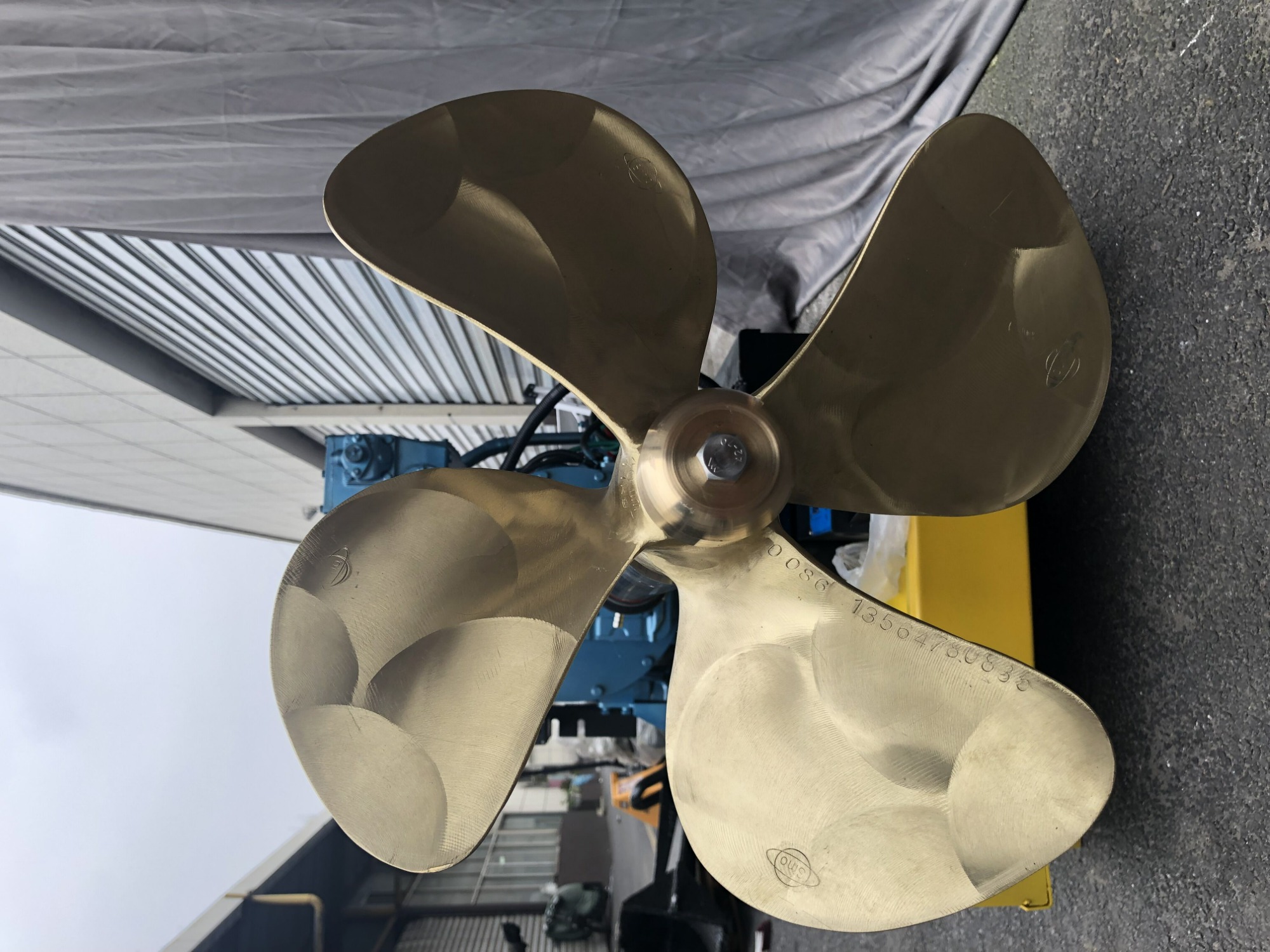
Bronze CU1 CU2 CU3 CU4 4 blades marine propeller diameter 50-1500cm
Advantages:
Excellent corrosion resistance
Long service life
Widely used in seawater
Advantages:
Higher strength
Better impact resistance
Suitable for high-performance vessels
Advantages:
Lower cost
Lightweight
Easy replacement
Usually used on smaller boats and outboard engines.
Several factors affect propeller selection.
Different vessels require different thrust characteristics.
For example:
Tugboats prioritize pulling force
Speed boats prioritize speed
Fishing vessels prioritize fuel efficiency
The propeller must match:
Engine horsepower
Gearbox ratio
Operating RPM
An incorrect propeller can overload the engine.
High-speed vessels usually require different blade designs compared to low-speed working vessels.
Consider:
Shallow water
Open sea
River navigation
Heavy load conditions
Propeller optimization can significantly reduce fuel consumption over long-term operation.
An oversized propeller may overload the engine and reduce performance.
Even a small pitch difference can greatly affect:
Fuel consumption
Vessel speed
Engine temperature
Poor propeller design may create cavitation, causing:
Blade erosion
Vibration
Noise
Reduced efficiency
At SINOOUTPUT, we help shipowners, shipyards, and marine contractors select suitable propulsion solutions for both newbuilding and retrofit projects.
Our support can include:
Fixed pitch propellers
Controllable pitch propellers
Bronze propellers
Stainless steel propellers
Shaft system matching
Gearbox matching
Technical calculations
Drawing confirmation
Material certification support
To recommend the proper propeller, our engineers usually evaluate:
Vessel dimensions
Engine model
Gearbox ratio
Target speed
Vessel displacement
Operating conditions
This helps reduce trial-and-error risks and improves propulsion efficiency.
Fixed Pitch Propellers (FPP) are the most commonly used because of their simplicity, reliability, and lower cost.
FPP has fixed blades.
CPP allows blade angle adjustment during operation for better flexibility and efficiency.
It depends on vessel requirements.
3 blades → higher speed
4 blades → smoother operation
5 blades → lower vibration and noise
Cavitation occurs when pressure changes create vapor bubbles around the blades, which may damage the propeller over time.
Yes.
Marine propellers are often customized according to:
Vessel size
Engine specifications
Gearbox ratio
Speed requirements
Operating conditions
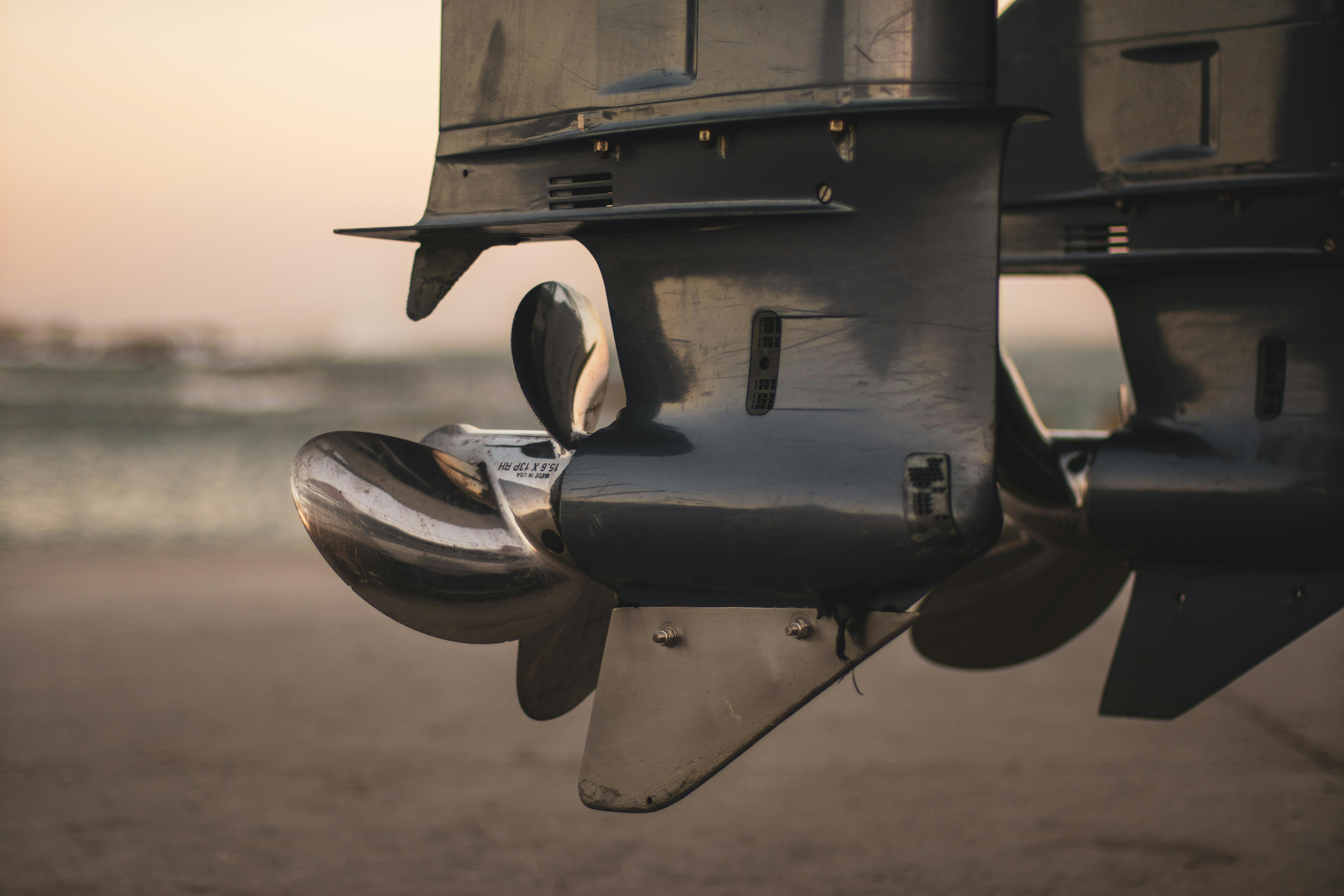
Marine propellers directly affect vessel performance, fuel efficiency, and navigation reliability.
Understanding different propeller types helps shipowners choose the right solution for their vessel and avoid costly propulsion problems later.
Whether you operate fishing boats, tugboats, cargo ships, offshore vessels, or yachts, selecting a properly matched propeller system is essential for long-term operational success.
Working with an experienced marine supplier like SINOOUTPUT can help simplify propeller selection, technical matching, and project execution.