The differences between
steel and aluminum marine doors can be analyzed across several key aspects, including material properties, applications, cost, durability, and certifications. Here Sinooutput list a detailed comparison based on the provided search results:
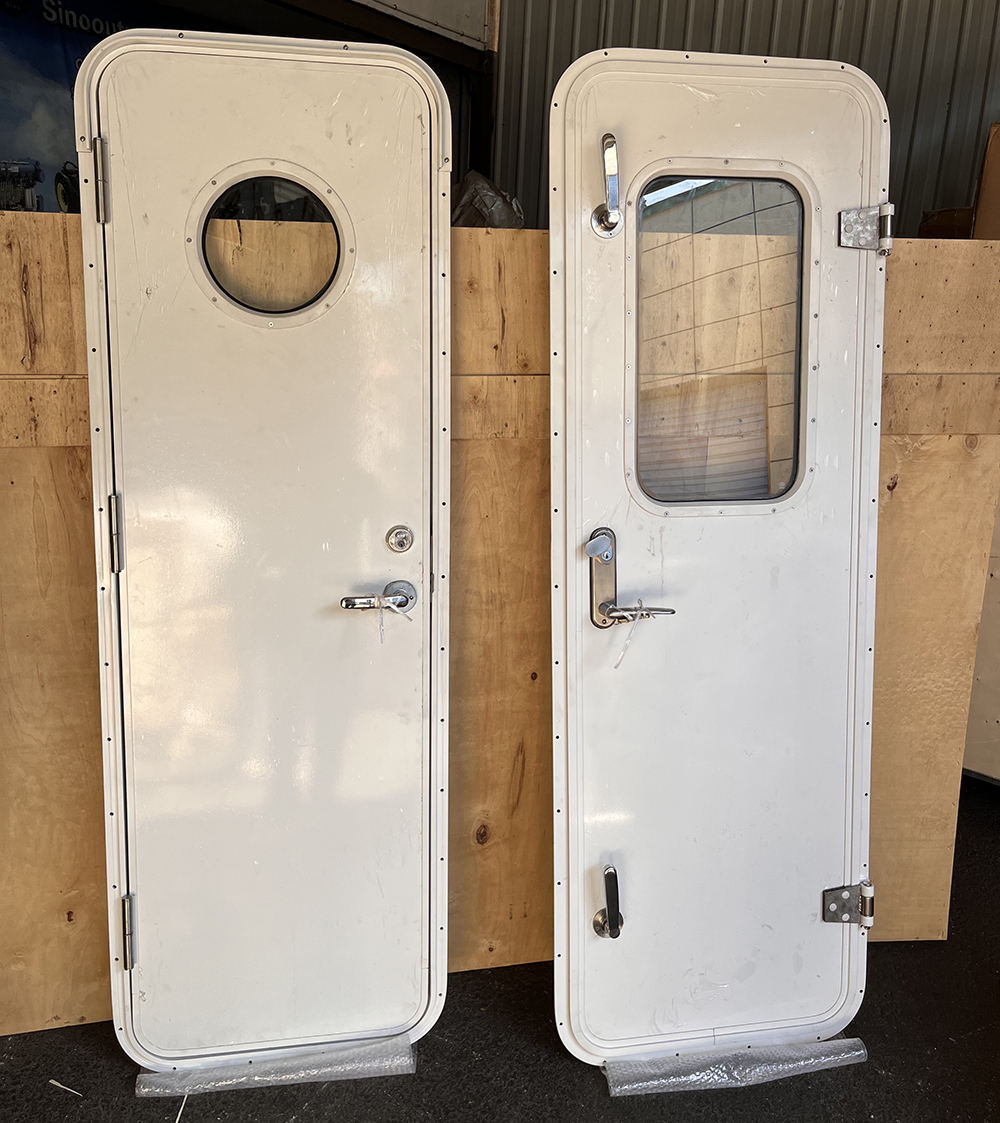 1. Material Properties and WeightSteel Marine Doors:
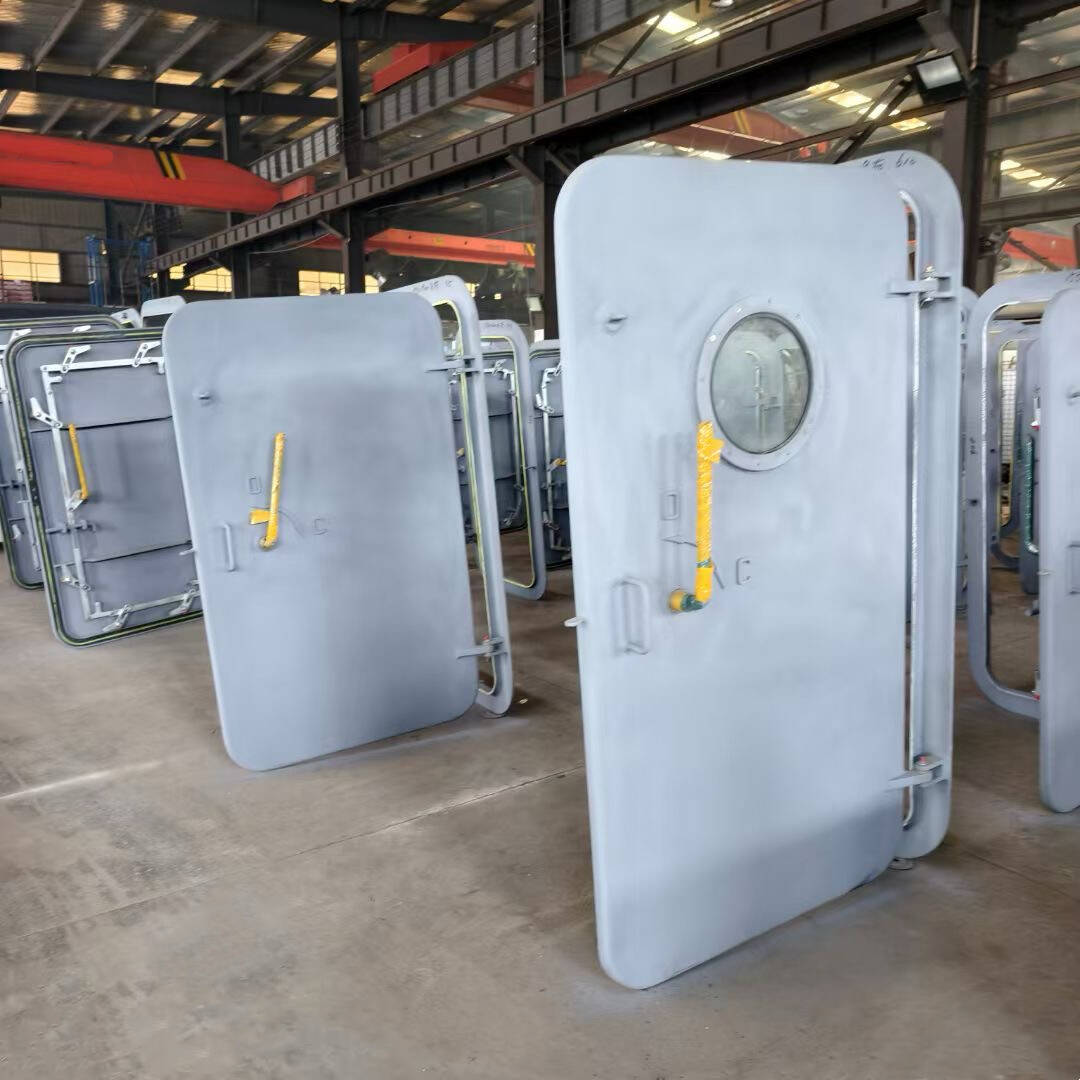
 - Made from stainless steel or coated steel (e.g., Zn–Al–Mg coatings), offering high strength and durability .
- Heavier than aluminum, which may require reinforced structures for installation but provides robustness in harsh marine environments .
- Coated steel (as studied in corrosion tests) forms dense insoluble layers (e.g., Zn5Cl2(OH)8·H2O) that inhibit further corrosion in polluted marine atmospheres .
Aluminum Marine Doors: - Constructed from lightweight aluminum, making them easier to handle and install, especially in applications where weight reduction is critical .
- Naturally corrosion-resistant without additional coatings, though less impact-resistant compared to steel .
2. Functionality and Applications Steel Doors: - Commonly used for high-security or heavy-duty applications, such as weathertight, gastight, and fire-rated doors .
- Functions include blast resistance, bullet resistance, and radiation shielding, often certified by classification societies (e.g., RINA, CCS, DNV) .
Aluminum Doors: - Preferred for general marine use where weight and corrosion resistance are prioritized, such as cabin doors or sliding doors .
- Less suited for extreme conditions (e.g., high-pressure environments) but ideal for standard weathertight applications.
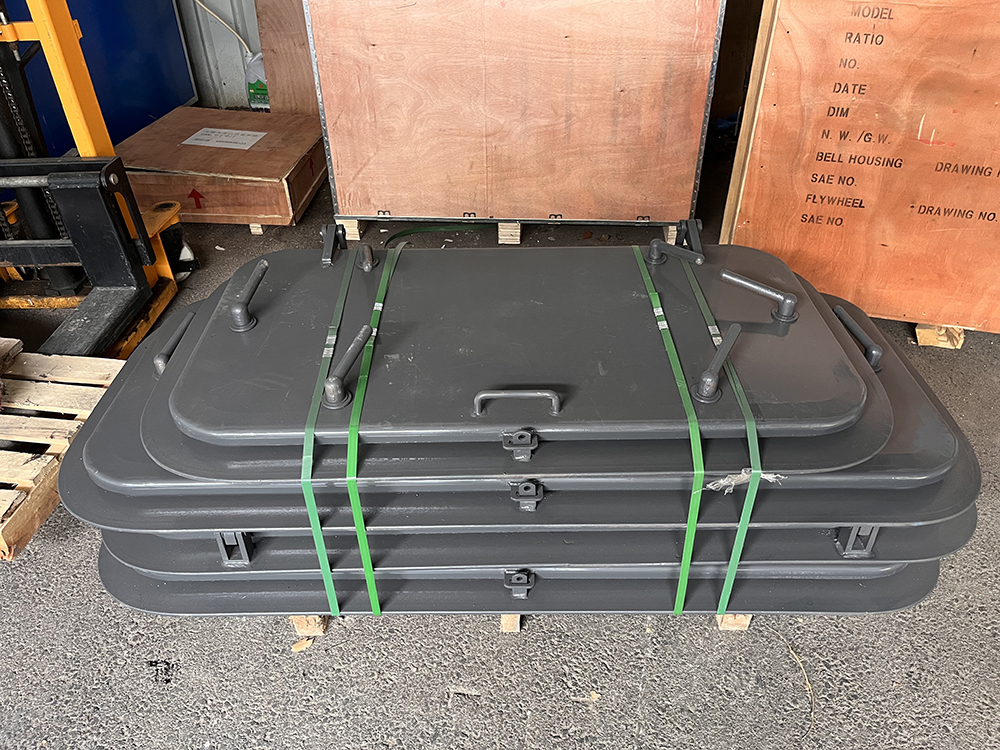 3. Cost and Maintenance Steel Doors:
 - Initial costs vary widely (e.g., $1,000–$1,500 for steel cabinets ), but long-term maintenance may be lower due to durable coatings .
- Require periodic inspections to ensure coatings remain intact, especially in corrosive environments .
Aluminum Doors: - Prices range from $50 to $2,500 per piece, depending on customization and certifications .
- Lower maintenance due to inherent corrosion resistance, but may incur higher upfront costs for specialized alloys .
4. Certifications and Standards - Both materials adhere to marine industry certifications, but steel doors often meet stricter standards for fireproofing (e.g., A60, A30), gas tightness, and blast resistance .
- Aluminum doors are frequently certified for general weathertightness and lightweight structural compliance .
5. Environmental and Lifecycle ConsiderationsSteel:
- Coated steel’s extended service life (as shown in corrosion studies) reduces replacement frequency, potentially offsetting environmental impacts .
Aluminum:
- Lightweight nature lowers fuel consumption in vessels, contributing to energy efficiency over its lifecycle.
 Sinooutput Yours shipbuilding one stop spare parts supplier and consultant.
Sinooutput had serviced more than 398 shipyard oversea, the ship types includes cargo ship, container ship, bulk carrier, fishing boat, oil tanker, LCT, Ro-ro and sand suction ships, tug boat, ice-breaker, militray boats and all kinds of speed yachts.
Sinooutput mainly supply complete marine parts such as: marine engines, marine gearboxes, stern shaft, propeller, steering system, marine generator, sewage treatment plant, oil water separator, marine sand pumps, chain, anchor, windlass, winch, crane, window, door, hatchcover, manhole, GPS, RADAR, SOUNDAR, VHF, marine lights and saving jackets, bouys etc.