Sinooutput usually do suggest the ship owners:
Ship hatch covers are important equipment used to close and open hatches such as cargo holds and engine rooms on ships. There are various types to meet the needs of different ship types, cargo types and operations. The following are the main types of ship hatch covers and their characteristics:
A. Classification by transmission method
Lifting hatch covers 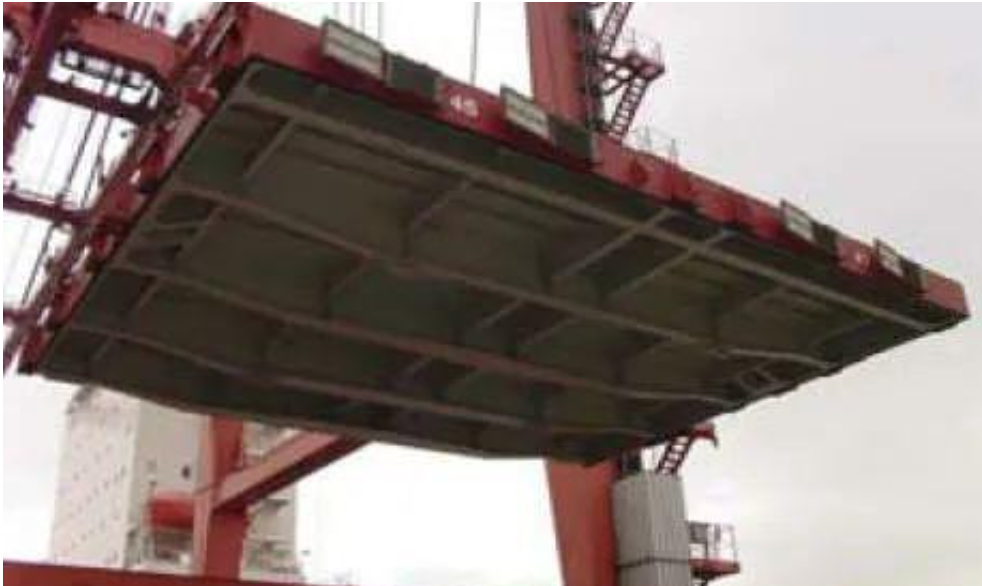
1. Features: It uses a lifting mechanism to open and close, usually made of steel, aluminum alloy and other materials.
2. Application: Suitable for ships that need to frequently enter and exit cargo, such as container ships, bulk carriers, etc.
3. Advantages: Smooth opening and closing, easy operation.
B. Rolling hatch cover 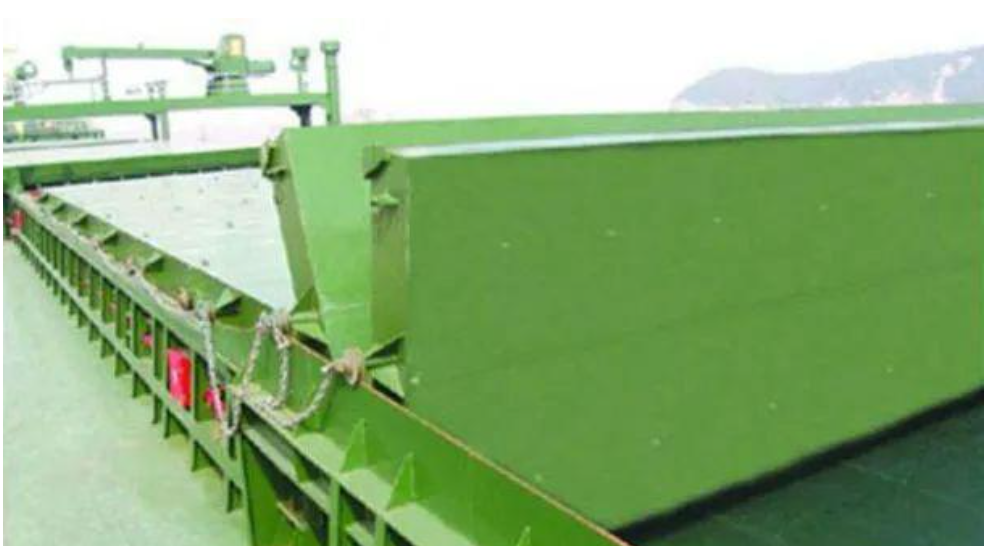
1. Features: It uses a rolling mechanism to open and close, and is equipped with pulleys to prevent longitudinal and lateral movement during movement.
2. Application: It is mostly used in small and medium-sized general cargo ships, and can also be seen in some container ships and bulk carriers.
3. Advantages: It opens and closes quickly and is easy to operate, but hydraulic drive may be required due to the size and weight of the hatch cover.
C. Folding hatch cover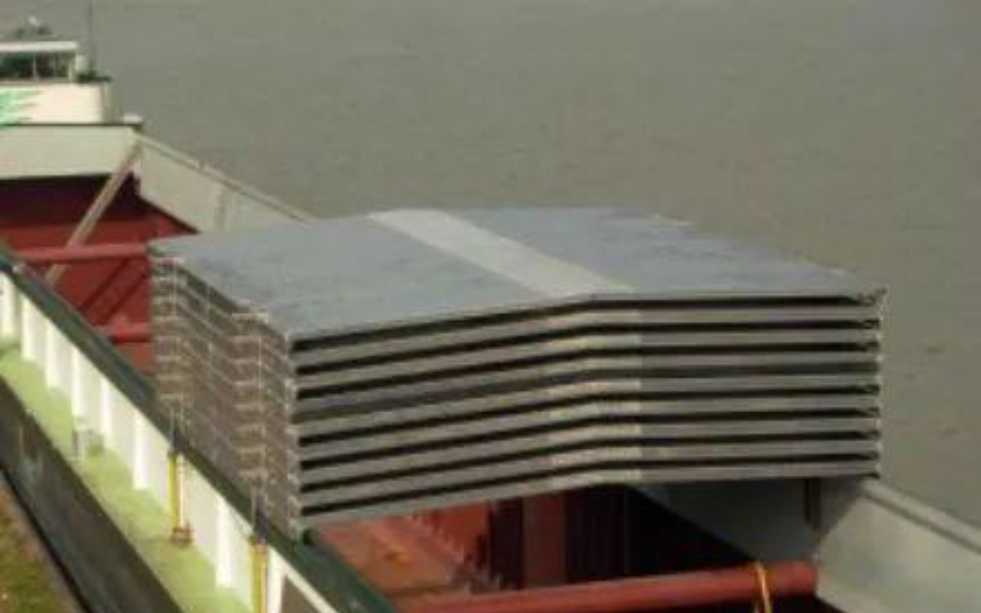
1. Features: Usually composed of double or multi-leaf hatch panels, folded and opened by hydraulic power operation.
2. Application: Usually used in general cargo ships, and can also be seen in some bulk carriers and container ships.
3. Advantages: Suitable for open decks and second decks, reducing the number of hatch covers and compact structure.
D. Sliding hatch cover 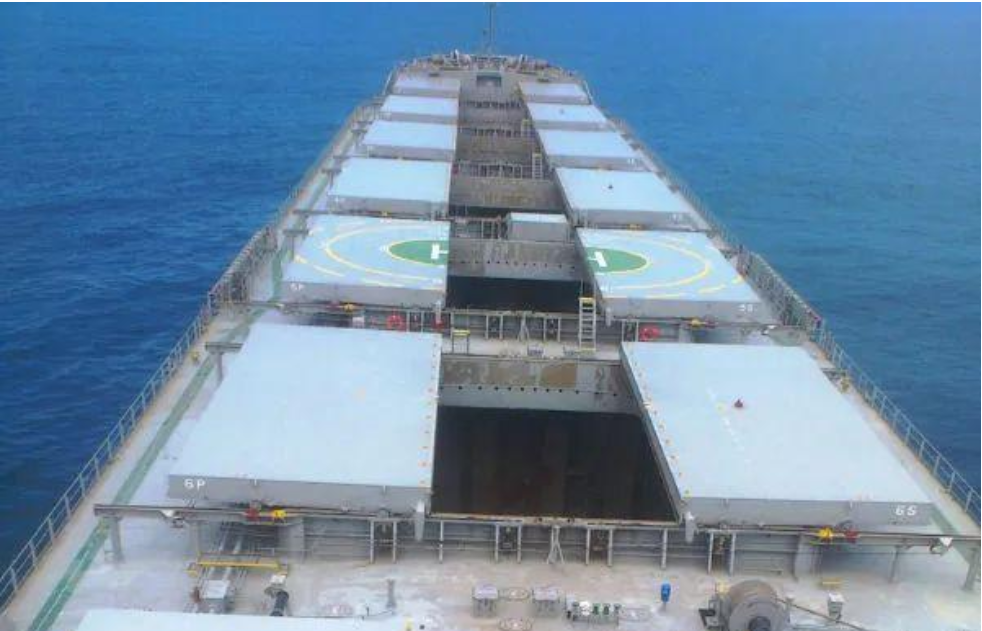
1. Features: Opening and closing is achieved through a sliding mechanism, and the structure is relatively simple.
2. Application: Mainly used in large dry bulk carriers, and can also be seen in some container ships.
3. Advantages: Simple operation, suitable for large hatches.
E. Stackable hatch covers 1. Features: Mostly used for ships with relatively small hatch covers, equipped with a hydraulic powered crane, which makes it easy to lift the hatch covers and stack them at one end of the ship or in an open area.
2. Application: Commonly used on small ships such as barges.
3. Advantages: Relatively cheap and space-saving.