Bow thrusters are crucial for large vessels, enhancing their maneuverability, especially when berthing and navigating narrow or congested waters. These thrusters generate lateral thrust, allowing the vessel to move laterally without forward motion, making it easier to control the vessel's direction at low speeds or in adverse weather conditions. They are indispensable in large vessels because traditional rudder and propulsion systems are less effective at low speeds, while bow thrusters help reduce the need for tugboats during berthing, saving time and operating costs.
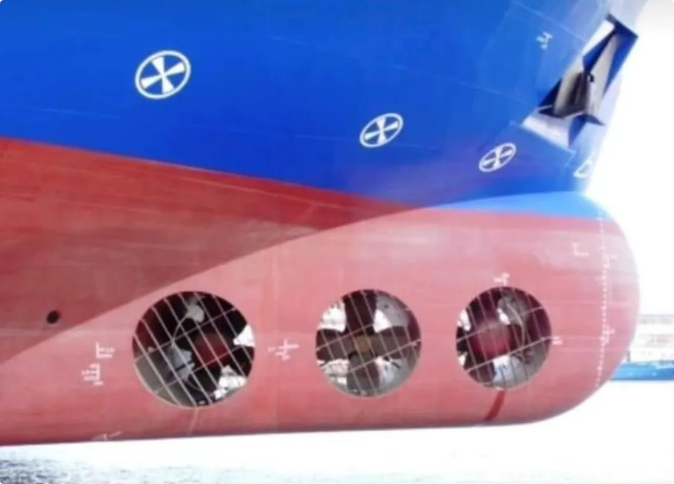
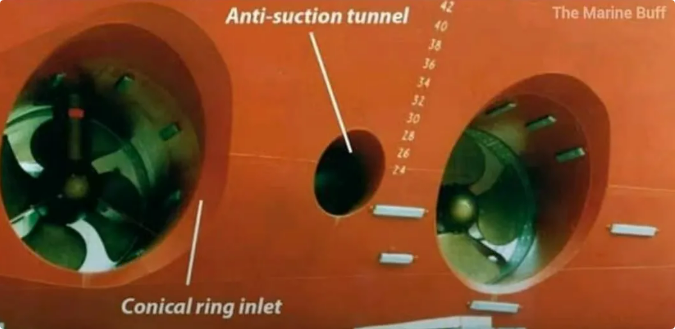 Bow thrusters mainly come in the following types:
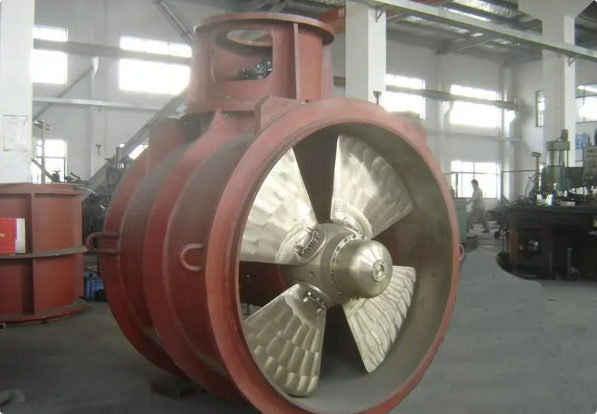 I. Fixed-Pitch Propeller Bow Thruster
This type of bow thruster uses a fixed-pitch propeller. Its structure is relatively simple and its cost is low. During operation, the propeller is driven by a motor to generate lateral thrust. However, due to the fixed pitch, its thrust adjustment flexibility is relatively limited.
II. Variable Pitch Propeller Bow ThrustersVariable pitch propeller bow thrusters can adjust the propeller pitch according to different operating conditions, thereby changing the magnitude and direction of thrust. This type of bow thruster is more flexible in operation and can better adapt to various complex navigation conditions. For example, during berthing and unberthing, thrust can be precisely controlled as needed, improving the ship's maneuverability.
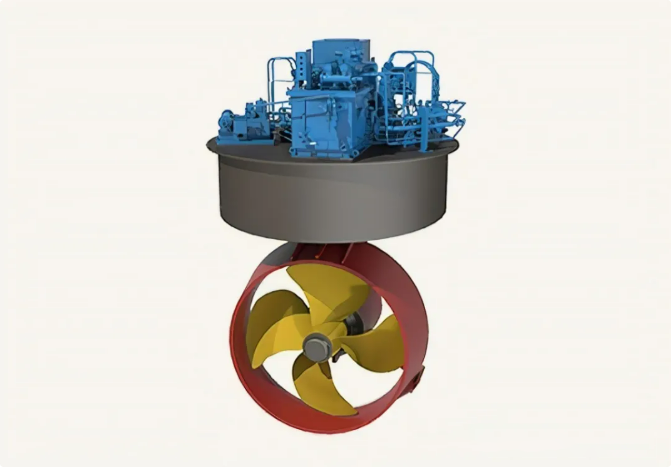 III. Azimuth Thruster
The propeller of an azimuth thruster can rotate 360 degrees, providing thrust in all directions. This allows the ship to move and turn quickly in any direction, greatly improving its maneuverability. Azimuth thrusters are typically used on large vessels with very high maneuverability requirements, such as container ships and oil tankers.
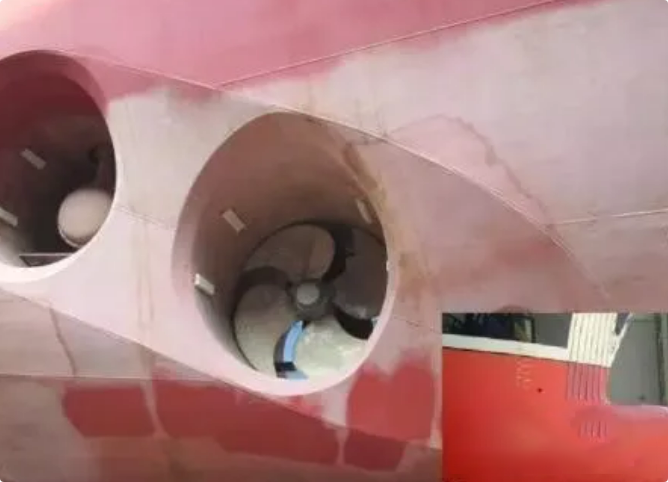 IV. Electric-Driven Bow Thruster
Electric-driven bow thrusters directly drive the propeller via an electric motor, offering advantages such as fast response, high control precision, and low noise. Furthermore, electric-driven bow thrusters can be integrated with the ship's electrical system for more efficient energy utilization.
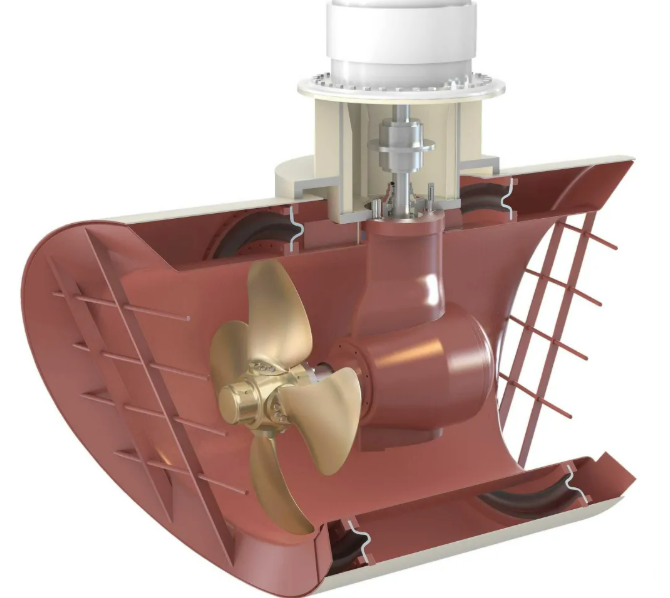 V. Hydraulically Driven Bow Thrusters
Hydraulically driven bow thrusters utilize a hydraulic system to drive the propeller, generating significant thrust. This type of bow thruster is suitable for large vessels requiring substantial thrust. While hydraulically driven bow thrusters offer high reliability, their maintenance costs are relatively high.