Life jacket | Basic classification and selection
By Ruby
February 7th, 2025
1528 views
Life jackets can save our lives in times of danger. So, what are the principles and classifications of life jackets? Below I will introduce the basic principles and three major categories of life jackets.
The basic principles of life jackets:
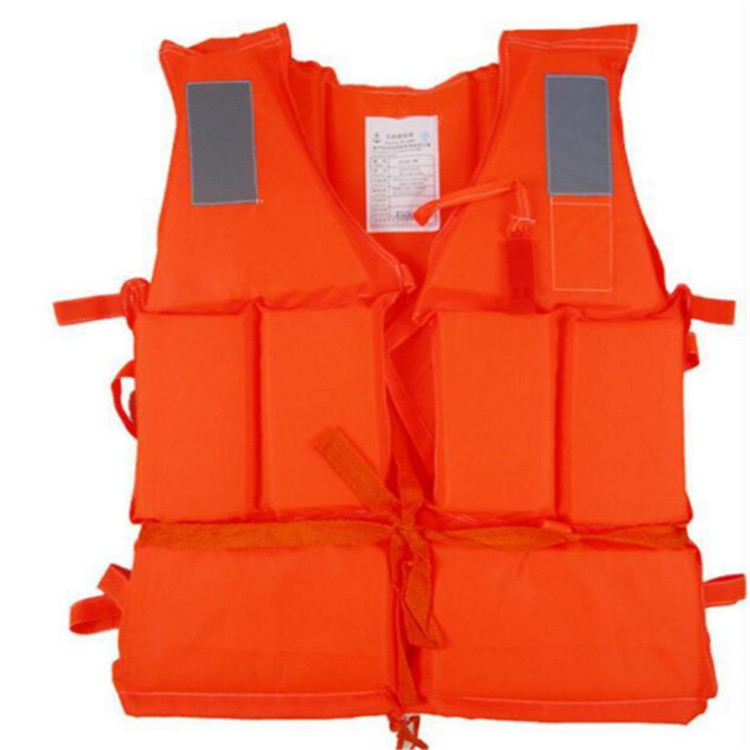
1. Buoyant material filled life jacket, that is, nylon cloth or neoprene is used as fabric, and the middle is filled with buoyant material.
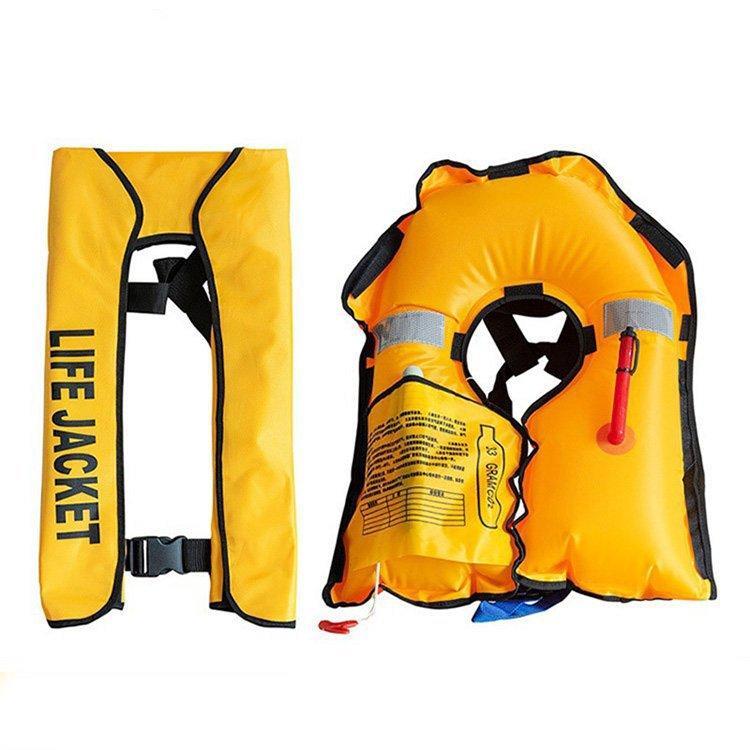
2. Inflatable life jacket: made of high-strength waterproof materials, similar to the principle of inflatable lifebuoy or swimming ring. It is divided into automatic inflatable or passive inflatable. However, the most important thing to pay attention to in this life jacket is to absolutely avoid sharp objects piercing or wearing out the waterproof layer, which will cause unimaginable serious consequences after air leakage.
Marine use
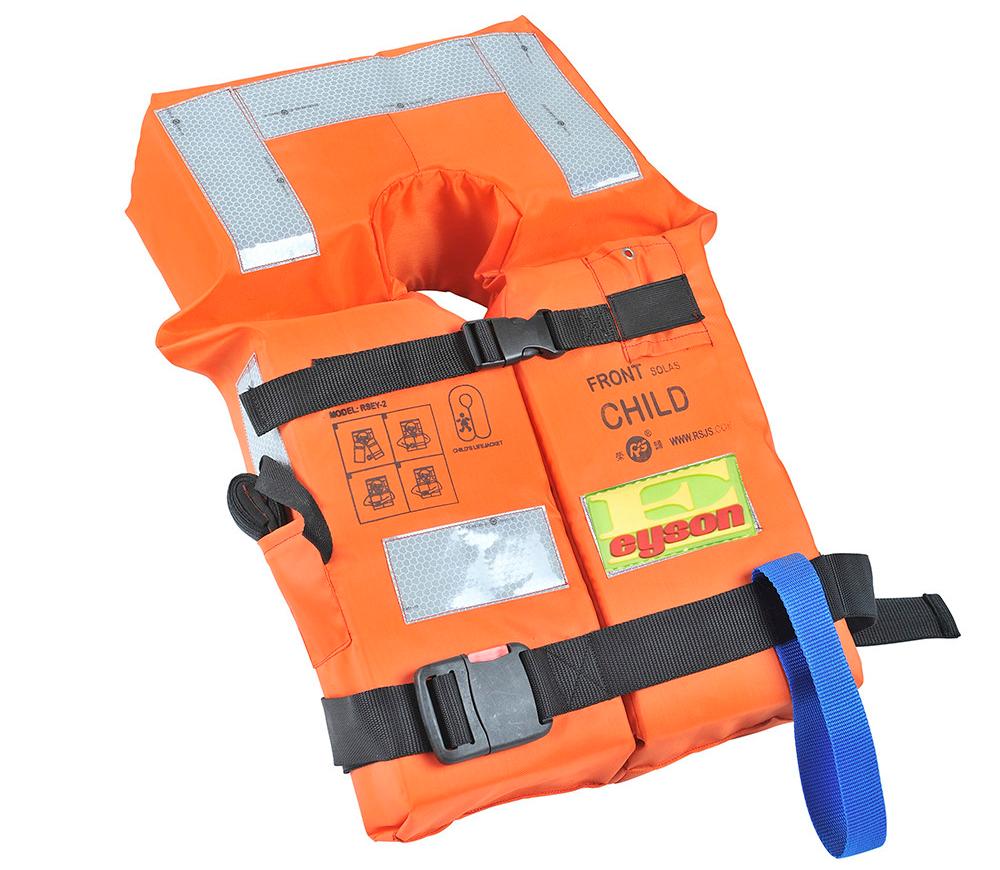
1. Marine Lifejacket (Marine Child Lifejacket) is suitable for life-saving use by all kinds of people along the ocean coast and inland rivers. After the lifejacket is buoyant to 113N, the lifejacket is soaked in water for 24 hours, the buoyancy loss of lifejacket should be less than 5%. Life jacket buoyancy material: polyethylene foam. The new marine life jacket is a new life jacket designed and manufactured in accordance with the requirements of IMOMSC207(81) and MSC200(80). The specification was implemented on July 1, 2010.
2. Marinework Lifejacket is suitable for all kinds of personnel along the coast and inland rivers. The buoyancy of the life jacket is greater than 75N. After soaking the life jacket in water for 24 hours, the buoyancy loss of the life jacket should be less than 5%.
3. Leisure life jackets: Some are also called water sports life jackets (WaterSportsLifejacket). The fabric is mostly made of neoprene composite material, and it is matched with a variety of colors, which is fashionable and beautiful. It is mainly suitable for water play, learning to swim, raft, fishing, etc. to protect life.
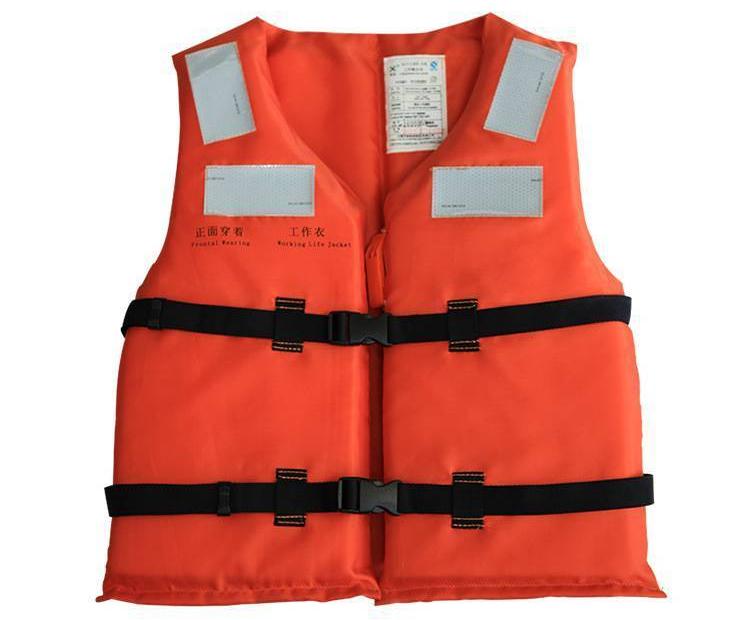
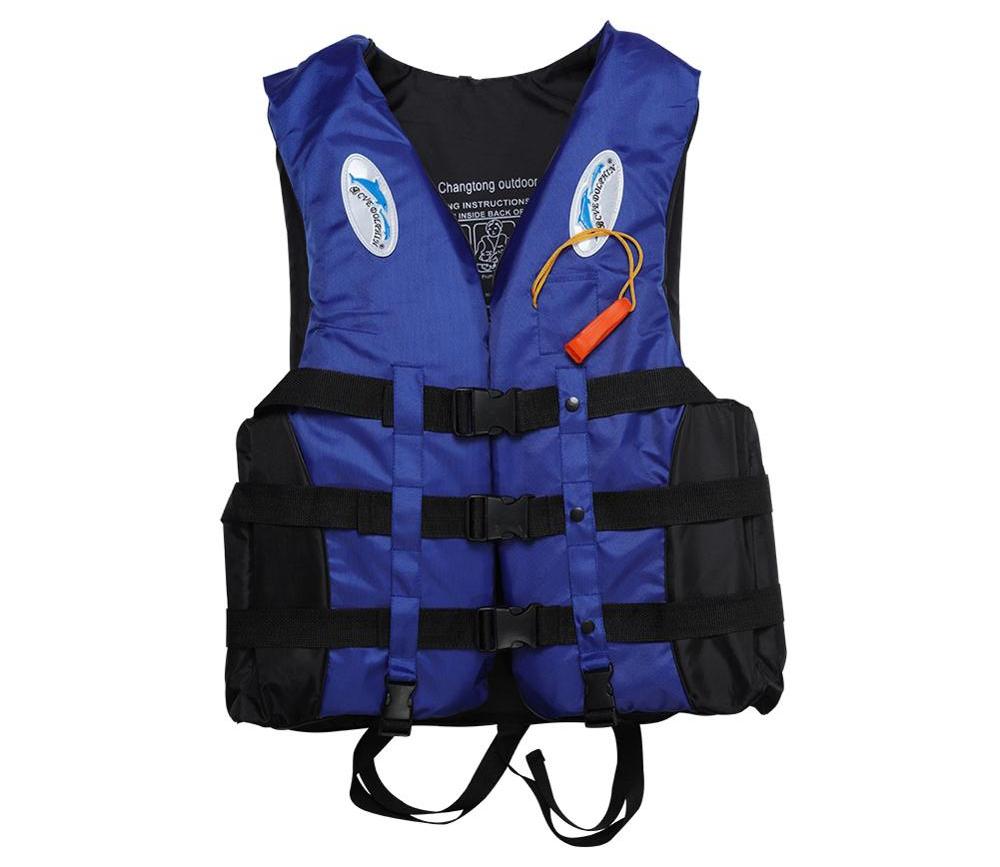
Sea use
Generally, life jackets are used for sea use. It uses EVA foaming material inside, and is compressed 3D three-dimensional molded, with a thickness of about 4 cm (the domestically produced are 5-6 thin-hair materials, about 5-7 cm thick). Life jackets produced according to standard specifications have their buoyancy standards: generally 7.5 kg/24 hours for adults and 5 kg/24 hours for children, so as to ensure that water surfaces above the chest are surfaced.
How to use: put the life jacket whistle bag on your body; pull the zipper, tighten the front collar strap with both hands, and tie the neck strap; tie the lower strap on the front left and right sides; check whether each place is tied after wearing it. prison.
Colors used: The bright colors in the life jacket or the color with fluorescent components will stimulate the optic nerve. It may be related to the wavelength of this color, which is easy for human eyes to accept and not easily confused by other colors. This will be more conspicuous. If something happens when wearing a life jacket like this, it will be easy to be discovered and rescue can be carried out as soon as possible.
Aviation use
The inflatable life jacket is by pulling the draw rope on the inflatable device vigorously, so that the pull rod is turned to no less than 90 degrees, the puncture needle pierces the diaphragm in the high-pressure gas storage cylinder (disposable, replaceable), and the high-pressure carbon dioxide gas rushes into the airbag, and the gas expands. Then buoyancy is generated to achieve the purpose of saving lives.
Inflatable life jackets are mainly composed of sealed inflatable vest airbags, miniature high-pressure gas cylinders and fast inflation valves, and are often used in work that may fall into water. Under normal circumstances (not inflated), the entire inflatable life jacket is worn like a belt and is hung on a person's shoulder and back. Due to its small size, it does not hinder people's freedom of operation; once it falls into the water, it requires buoyancy when it encounters danger in the water. In an emergency, you can automatically expand and inflate according to the action of water (full automatic inflating life jacket), or pull the cable on the inflation valve with your hands (manual inflating life jacket), and inflate it in 5 seconds to generate 8~15 kg of buoyancy, upward. Lift up the human body so that the head and shoulders of those who accidentally fall into the water will be exposed to the water surface, and obtain safety protection in a timely manner.
Previous
Design of Modern Ship Masts
Read More
Next
How to do the daily maintenance for the marine diesel engine?
Read More