How Automation Is Transforming Ship Operations and Crew Workflows
1.Marine Automation: From Assistance to Integrated Systems
Marine automation has evolved significantly over the past decades. What began as basic alarm and monitoring systems has developed into highly integrated automation platforms that support navigation, machinery operation, safety management, and energy efficiency.
Today, marine automation is no longer about replacing crew members. Instead, it focuses on supporting human decision-making, reducing repetitive tasks, and improving operational consistency across different vessel types.
2.Key Application Areas of Automation on Modern Vessels
Marine automation is now widely applied across multiple shipboard systems. Its scope continues to expand as digital technologies mature.
2.1 Engine Room Automation
Engine room automation is one of the most established and impactful areas.
Typical functions include:
-
real-time monitoring of engines, generators, and auxiliaries
-
automatic control of fuel, lubrication, and cooling systems
-
alarm and fault detection with prioritized alerts
-
data logging for maintenance and performance analysis
With automation, routine monitoring tasks are shifted from manual inspection to centralized control systems, enabling unmanned or periodically unmanned engine room (UMS) operation.
2.2 Power Management and Energy Optimization
Automation systems increasingly manage:
These functions help vessels operate closer to optimal efficiency, reducing fuel costs and minimizing human error during power transitions.
2.3 Navigation and Bridge Automation
On the bridge, automation assists rather than replaces navigators.
Key applications include:
-
integrated navigation displays
-
autopilot and track control systems
-
collision avoidance support
-
automatic logging of voyage data
By reducing cognitive workload, automation allows officers to focus on situational awareness and decision-making, especially in congested waters.
2.4 Safety and Alarm Management
Modern automation systems improve safety by:
-
prioritizing alarms to avoid overload
-
providing clear fault diagnostics
-
enabling faster response to abnormal conditions
This reduces the risk of alarm fatigue and ensures that critical issues receive immediate attention.
2.5 Cargo and Auxiliary Systems
Automation is also applied to:
-
cargo handling and monitoring
-
ballast water management
-
HVAC and accommodation systems
-
deck machinery coordination
Integrated control reduces the need for manual intervention and improves consistency during routine operations.
3.How Automation Improves Crew Work, Not Replaces It
One of the most common misconceptions is that automation reduces the need for skilled crew. In reality, automation changes the nature of crew work, shifting it from manual operation to supervision and decision-making.
3.1 Reduced Manual Workload
Automation reduces:
This allows crew members to focus on:
3.2 Improved Working Conditions
By minimizing unnecessary physical movement and night-time inspections, automation contributes to:
This is especially important given global crew shortages and increasing regulatory pressure.
3.3 Enhanced Skill Requirements and Professional Development
Automation increases demand for:
Crew roles evolve from operators to system managers, enhancing professional value rather than diminishing it.
4.Automation and Safety: A Stronger Human–Machine Partnership
Automation improves safety not by removing humans, but by supporting them.
Key safety benefits include:
-
early detection of abnormal trends
-
standardized operating procedures
-
reduced risk of human error during critical transitions
Well-designed automation systems provide transparent information, enabling crews to intervene effectively when needed.
5.Integration and Interoperability: A Growing Focus
Modern vessels increasingly adopt integrated automation systems (IAS) that combine multiple subsystems into a unified platform.
Benefits include:
However, successful integration requires careful system design and clear operational philosophy.
6.Challenges and Considerations in Automation Adoption
Despite its advantages, automation also presents challenges.
These include:
Effective automation strategies balance technological capability with human-centered design and redundancy planning.
7.Future Trends in Marine Automation
Looking ahead, marine automation will continue to evolve in several directions:
-
increased data-driven decision support
-
closer integration with remote monitoring and shore-based centers
-
improved condition-based maintenance
-
gradual expansion toward higher autonomy levels
Rather than a sudden shift to fully autonomous ships, the industry is moving toward progressive, practical automation.
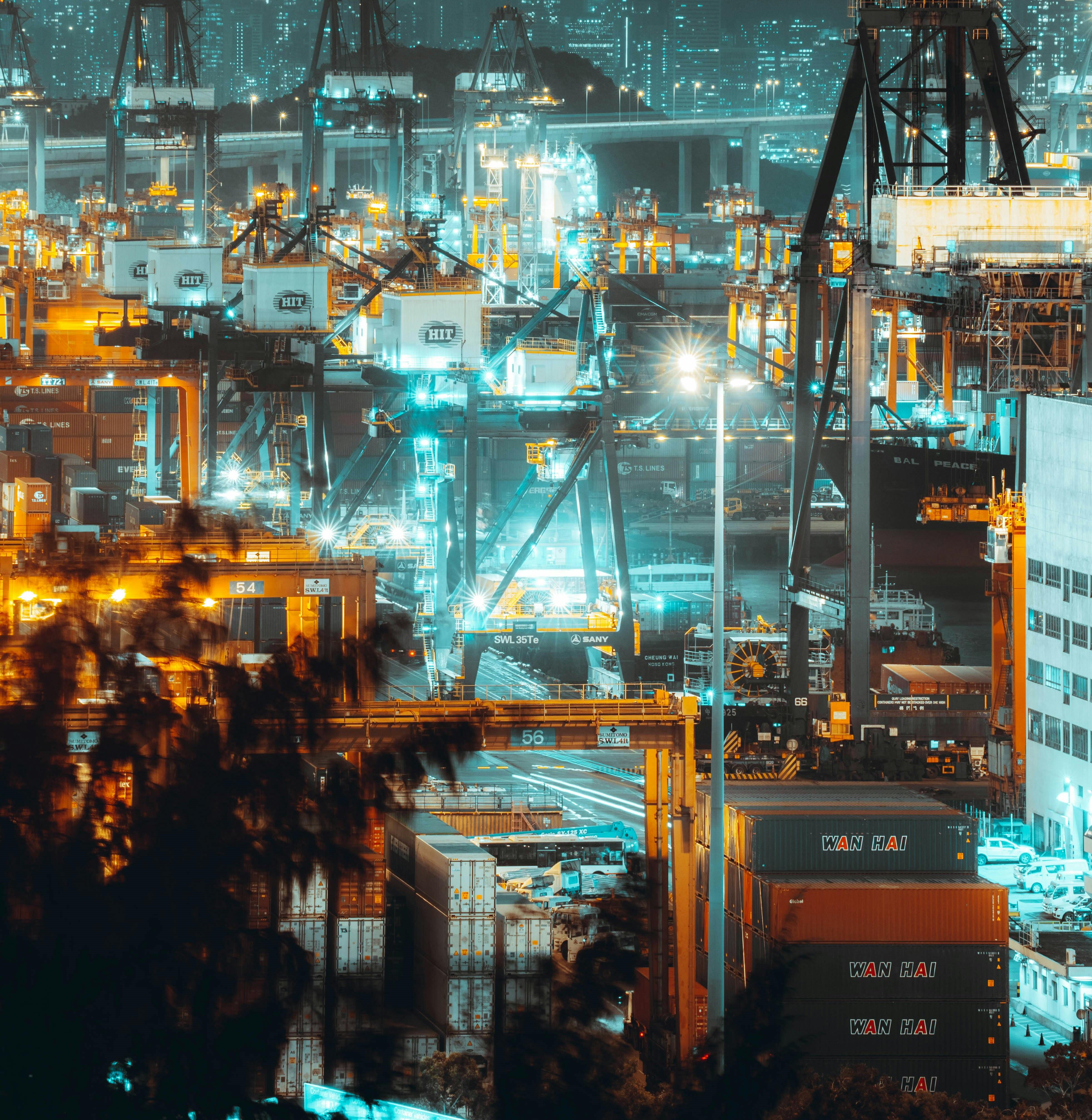
Marine automation is transforming ship operations by improving efficiency, safety, and crew working conditions. Its true value lies not in replacing human expertise, but in enhancing it.
For shipowners, shipyards, and operators, successful automation adoption depends on:
-
clear operational objectives
-
proper system integration
-
crew training and engagement
Automation, when implemented thoughtfully, becomes a powerful tool that supports safer and more sustainable maritime operations.